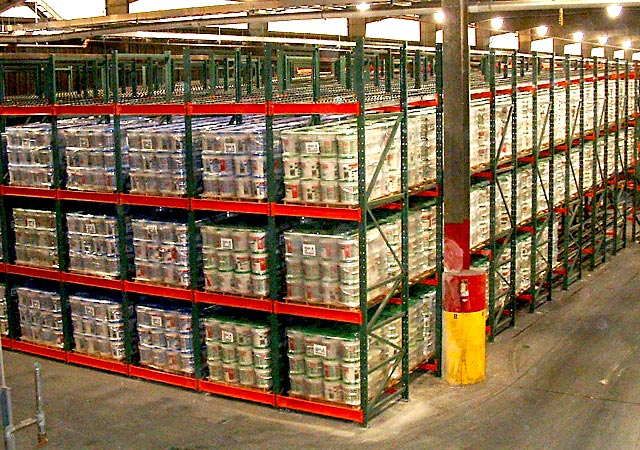
Pallet Flow Rack in Little Rock, AR
Pallet flow uses roller lanes to move compatible loads from a loading face toward a separate retrieval face. Plan it around pallet compatibility and the inventory rotation the warehouse actually requires.
Grocery rotation with two working faces
Grocery, foodservice and food-products operations in the Little Rock market may need a defined first-in, first-out sequence. Pallet flow can support that function when the load and lane arrangement suit the task. At the Port Industrial Park, in Galloway and along the southwest I-30 corridor near Scott Hamilton Drive, show the loading and retrieval routes together before selecting storage depth.
Separate aisle faces are useful only if trucks can reach them without cutting through dispatch or active picking. Identify product groups, quantities per group and replenishment frequency. Selective positions may still be needed for mixed reserves or pallets that require individual access. A combined drawing can assign each function a practical area without forcing every load into the same lane pattern.
Pallet bases, weight ranges and cold conditions
The pallet base is the roller contact surface. Supply its construction and dimensions with the lightest and heaviest loaded weights. Lane pitch, brakes and stops are part of the specified flow arrangement, and load compatibility needs assessment before the system is selected. A rotation requirement alone does not establish the roller specification or how deep a product lane should be.
Little Rock's metro includes ammonia-refrigerated cooler and freezer distribution buildings down to about -10°F. Give the actual temperature of the quoted storage area and the truck's operating details. Rack selection and installation staging must reflect that environment. Do not use the metro temperature example as a specification for a building whose conditions have not been confirmed.
Fit the lanes to the building and the schedule
Newer 32–40 foot clear space at South Port Commerce Center and Port 440 differs from older 15–28 foot industrial buildings in East Broadway and southwest Little Rock. Measure clear height, columns and the loaded pallet before planning flow levels. The truck needs sufficient working reach at the loading face as well as a practical approach to retrieval.
For ambient-space installation, hot and humid summer conditions can affect crew access and staging. Severe weather or winter ice can interrupt the sequence, so agree on released areas and active receiving routes. During a warehouse relocation, finalize lane allocation and destination circulation before moving food inventory; rotation depends on a working product assignment, not merely the presence of rollers.
Rack Systems for Your Operation
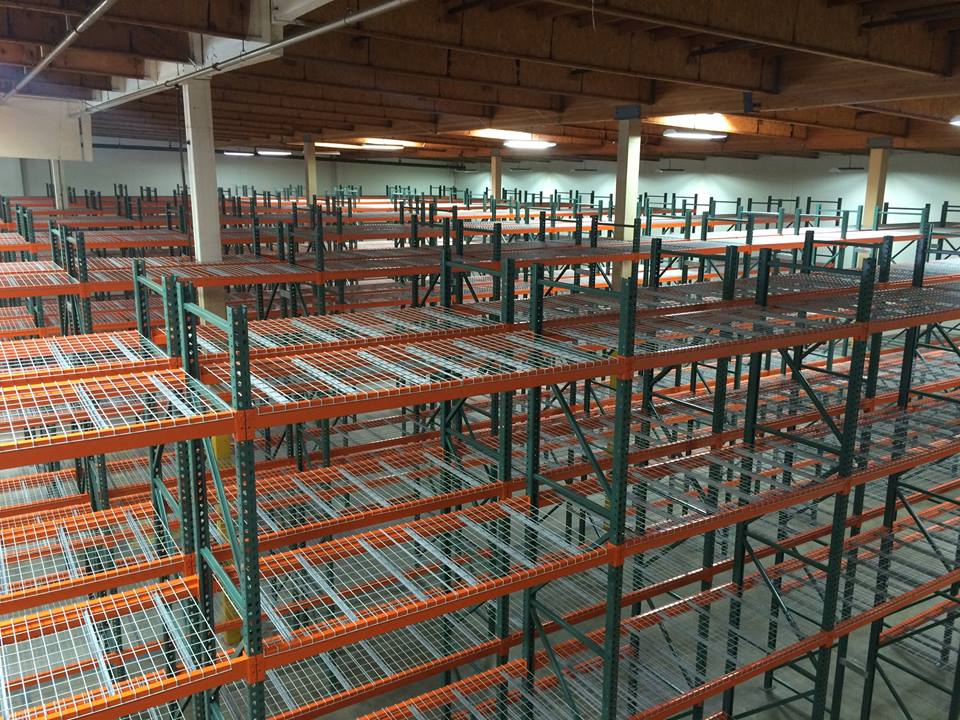
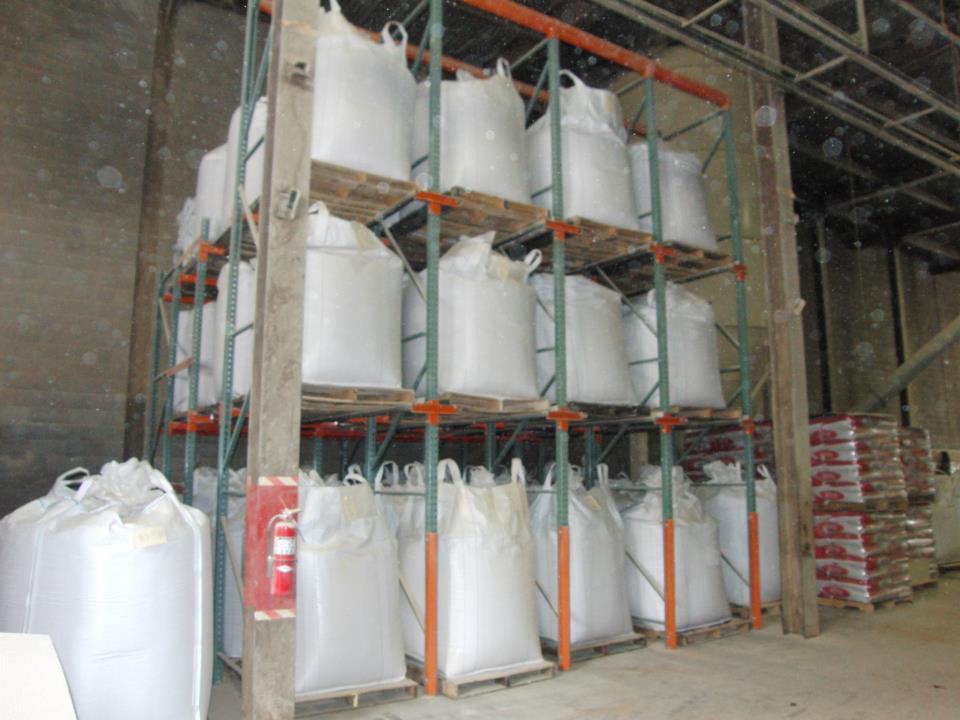
Warehouse Racking Questions
Moving to a Different Warehouse?
Check destination clear height, pallet sizes and forklift turns before assigning new storage rows.
Warehouse Relocation in Little RockPlan Your Warehouse Storage
Building dimensions. Pallet weights. Forklift reach. A working layout.