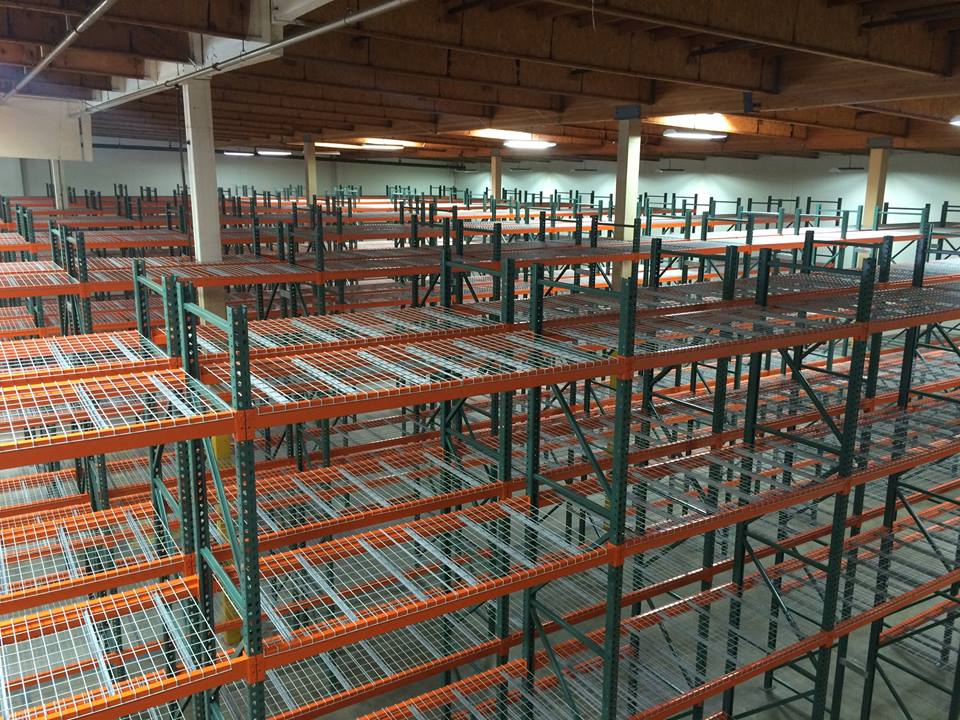
Pallet Racks in Russellville, AR
Russellville's River Valley food processors and distributors need rack layouts that account for product access and the storage environment. Selective rack can keep batches independently reachable, while any cold-capable arrangement needs the actual operating temperature and handling information. We plan around pallet weights, heights and the movement from receiving to production or dispatch. The city's highway, rail and water connections are relevant to logistics, but the indoor rack specification starts with the loads and the building.
Food inventory: access before storage depth
Food production, processing and distribution are regional strengths around Russellville. A processor should describe whether pallets are raw materials, finished goods or packaging reserves, and how often each group is retrieved. Selective pallet rack gives direct access without committing every product to the same lane order. That can be useful when batches differ in quantity or when particular pallets must be selected independently of other stock.
Where a cooler or freezer is involved, provide the actual temperature and the building's access arrangements. The Little Rock metro includes ammonia-refrigerated facilities down to about -10°F, but that figure is not a stated temperature for Russellville premises. Rack selection and installation planning should use the real operating environment. Loaded height, pallet footprint and weight remain necessary even when cold storage is the most noticeable feature of the project.
Rail and water transfers need a mapped path
Russellville has Union Pacific mainline access and the D&R short-line railroad connecting local industry to the Port of Dardanelle on the Arkansas River. It also connects to the River Valley Regional Intermodal Facilities for highway, rail and water freight transfer. If an operation uses those movements, mark where the packaged load enters the warehouse and its next step. A rail-related receiving area may need a different staging pattern from a truck-dispatch door.
Beam capacity follows the loads assigned to the level, and upright capacity depends on the completed arrangement. Give the maximum weight rather than an overall inventory average. Columns, door positions and forklift reach then determine the row pattern and beam elevations. We draw loaded turns near transfer areas before counting the final storage positions so the plan does not fill a route that the warehouse needs to keep working.
I-40 warehouse activity and the next building plan
Russellville sits on I-40 with US 64 and seven state highways, and a sub-regional parcel-carrier hub operates there. A 2026 grant is preparing the South Elmira industrial site for a future manufacturer. The future-user setting should remain distinct from an operating warehouse claim. A proposed building needs confirmed dimensions and an intended material flow before its rack system can be laid out in detail.
During installation, preserve the receiving or parcel-related working routes that the operation identifies. Non-air-conditioned spaces need summer heat considered in crew staging, and spring severe weather or winter ice can affect the work sequence. Russellville is about 75 miles from Little Rock, so delivery and released zones should be coordinated before materials arrive. For a relocation, assign the destination's food reserves and picking areas first rather than recreate the old rows without checking new columns and clear heights.
Rack Systems for Your Operation
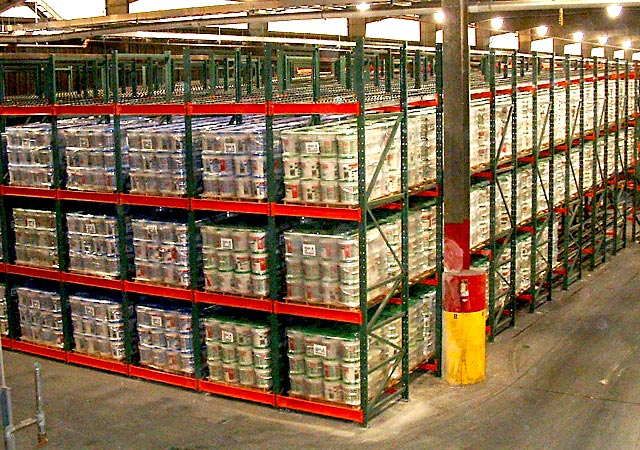
Warehouse Storage Questions in Russellville, AR
Moving to a Different Warehouse?
Check destination clear height, pallet sizes and forklift turns before assigning new storage rows.
Warehouse Relocation in Little RockPlan Your Warehouse Storage
Building dimensions. Pallet weights. Forklift reach. A working layout.